
.svg)

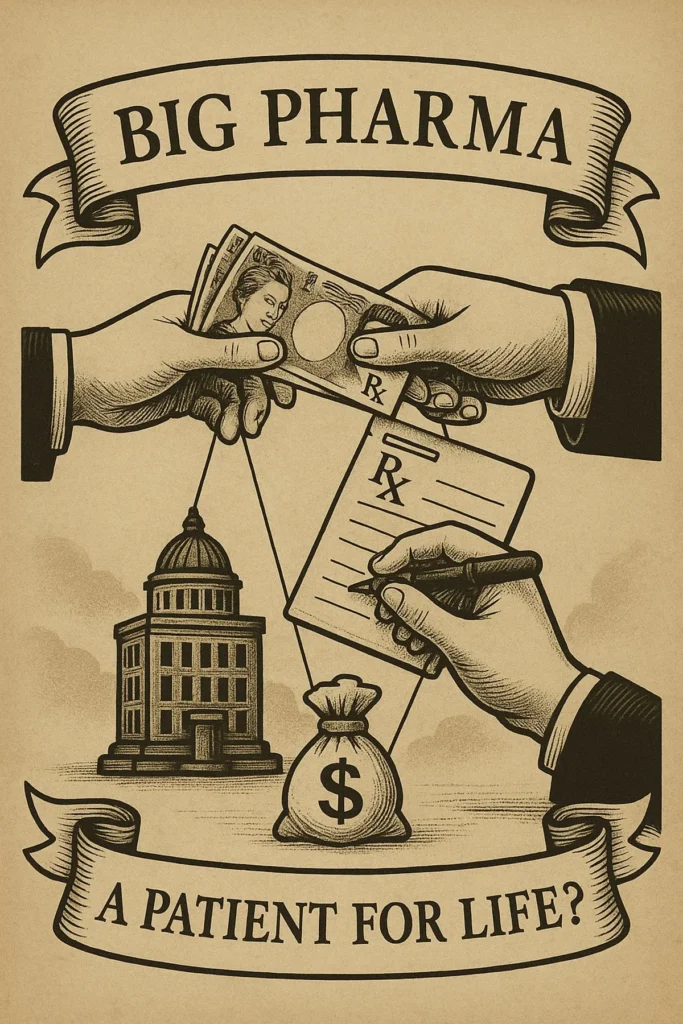
The term Big Pharma has evolved into something far more serious than a casual label. It now refers to a powerful global industry that shapes healthcare, policy, and even public opinion. From treatment guidelines to government health campaigns, its reach stretches into almost every aspect of modern life. These corporations often present themselves as defenders of health. However, growing public scepticism suggests that profit may take precedence over genuine care. As people observe rising drug prices, censorship of alternatives, and revolving doors between government and industry, trust begins to erode. Therefore, this page explores how Big Pharma gained its stronghold, how it maintains control, and why more people are beginning to push back. Understanding the origins helps uncover the cracks in a system once considered untouchable.
How Big Pharma Took Over Modern Medicine
At the start of the 20th century, medicine was far more varied than it is today. Communities used herbalists, naturopaths, and home remedies with confidence. However, powerful industrialists like Rockefeller and Carnegie saw an opportunity. Instead of embracing this diversity, they chose to reshape healthcare in their own image — and for their own interests. To carry out their agenda, they backed a pivotal document known as the Flexner Report. Sold to the public as a necessary overhaul, it overhauled medical training and discredited anything that didn’t align with pharmaceutical ideals. As the new approach spread, many once-respected institutions either closed their doors or abandoned traditional models entirely. In doing so, Big Pharma established its roots. By removing competition and rewriting the rules, it began to grow into a global force — one that now controls much more than just medicine.
Profits First: The Business Model of Modern Medicine
Following the Flexner shift, pharmaceutical firms moved swiftly. Financial backing became essential for institutions, and pharmaceutical companies stepped in to fill the gap. As a consequence, universities began prioritising drug-based treatment in their curricula, leaving little room for non-commercial alternatives. Meanwhile, natural therapies were dismissed as unscientific or unsafe — a narrative still echoed today. Because naturally derived substances can’t be owned or patented, they offered little incentive for investors. On the other hand, lab-created medications could be patented, aggressively promoted, and sold at scale for years on end. This imbalance gave synthetic drugs a major commercial advantage — one that made them the go-to solution in the medical marketplace. Consequently, Big Pharma created a system that values illness more than wellness. For shareholders, that’s success. For society, it’s a cycle that keeps people dependent rather than truly healed.
Big Pharma’s Widespread Influence on Modern Healthcare
Today, Big Pharma continues to expand its reach. It funds clinical trials, finances university departments, and invests heavily in advertising across major media platforms. These efforts aren’t just about visibility — they help direct the narrative surrounding health and treatment options. As a result, the public often hears a one-sided view that favours pharmaceuticals above all else. Alternative viewpoints, especially those that challenge the mainstream or promote non-pharmaceutical care, are frequently sidelined or treated as fringe. Meanwhile, regulatory bodies approve drugs quickly, only to see their leaders join pharmaceutical boards soon after. This revolving door raises serious ethical concerns. So, who exactly is safeguarding public health? As a result, confidence in the system is declining. People are asking harder questions, demanding transparency, and exploring alternatives once again. And Big Pharma? It now faces a level of public attention and scepticism it hasn’t encountered before.
Public Trust & the Pushback Against Big Pharma
Over the past few decades, confidence in Big Pharma has steadily declined. Repeated scandals, legal settlements, and suppressed side effects have left a sour taste in the public’s mouth. More and more people are spotting the same cycle: bold marketing at the start, complications uncovered later, and little sign of responsibility taken.
Moreover, the lines between medicine and marketing have blurred. When drug companies sponsor both the trials and the advertising, how can the results remain neutral? This growing distrust has led many to explore viewpoints outside the usual sources.
The growing interest in holistic health, natural therapies, and grassroots research reflects a shift in mindset. People are starting to reclaim their freedom of choice — something the mainstream system rarely encourages. It’s not just the medicines under scrutiny anymore — it’s the entire infrastructure propping them up. This change in thinking is gaining momentum.
Further Reading: Related Posts You Might Like
To explore the deeper roots of the system, our article on Big Pharma Deceit uncovers the Flexner Report and the petrochemical takeover of modern medicine. Curious how public health measures laid the groundwork for digital ID systems? Take a look at our Covid Certificate post — a breakdown of the tech-driven tools introduced during the pandemic.
If you want to uncover the driving forces behind the scenes, don’t miss Follow the Money. Financial motivations often sit quietly behind major health policies and commercial strategies.
These articles connect the dots and give you the full picture — beyond the headlines and corporate press releases.
Conclusion: Reclaiming Health from Profit-Driven Hands
Big Pharma’s dominance didn’t happen overnight. It took decades of influence, strategic funding, and quiet positioning to entrench itself into the very heart of global healthcare.
Today, however, more people are beginning to understand how deeply this system is embedded in everyday life. With that awareness comes a growing desire for honesty, accountability, and solutions that put health before profit.
Change always begins with the right questions. And as public doubt increases, Big Pharma struggles to maintain the polished image it once held with ease.
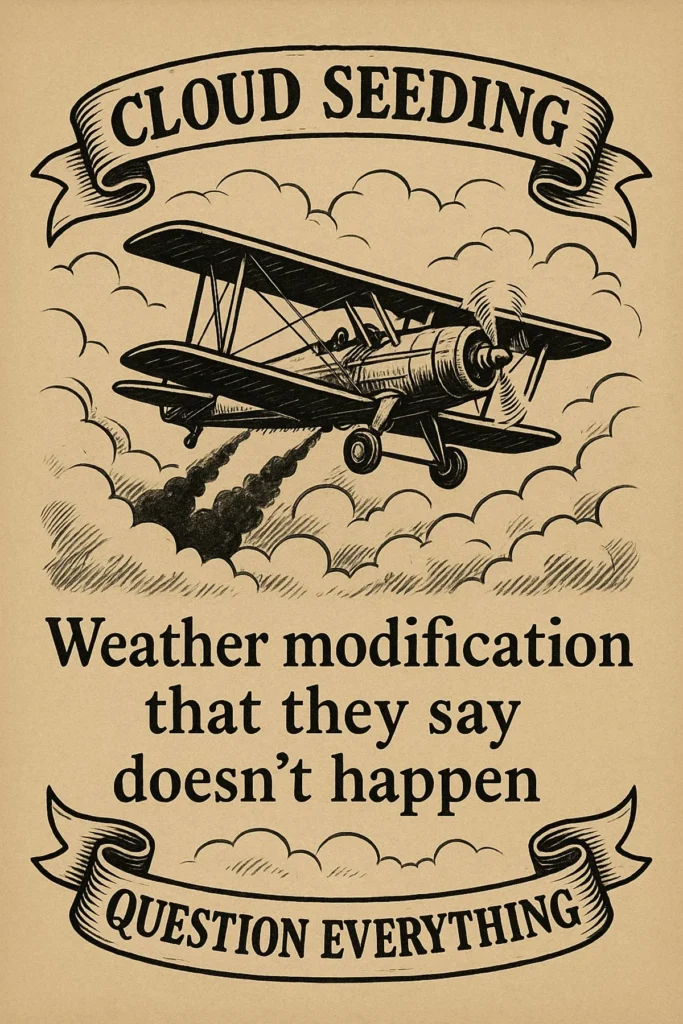
Once brushed off as sci-fi, cloud seeding is now a very real and very quiet part of the climate toolkit — or shall we say, control kit. Using planes, silver iodide, and plenty of plausible deniability, cloud seeding lets the powers that be tweak the skies to suit their own… forecasts.
But don’t worry — the media says it’s harmless. Just like they said about asbestos, thalidomide, and… well, you get the drift.
Want to know what’s really going on above our heads?
👉 Read the full article here
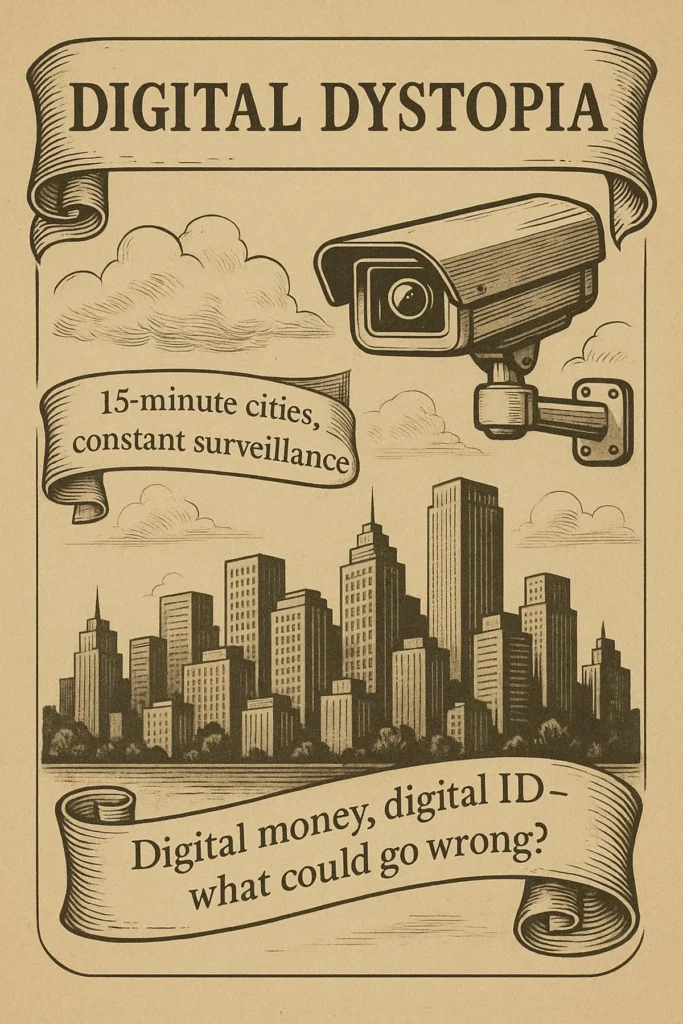
Say hello to Digital Dystopia — a land of QR codes, facial recognition, 24/7 tracking, and smart devices that are just a little too clever. Your phone knows where you’ve been. Your TV listens more than it talks. Your “smart home”? Smarter than you, apparently.
But hey — if you’ve got nothing to hide, you’ve got nothing to worry about, right? Unless of course you question the narrative…
Dive deeper into the glitch in the matrix:
👉 Read the full article here

Behind every “charity initiative”, health campaign, or policy shift, there’s usually a cheque with some very interesting names on it. From shadowy NGOs to corporate “philanthropists”, the cash trail rarely lies — even when the headlines do.
Why do billionaires suddenly care about your diet, your climate, and your DNA? Simple: control disguised as compassion.
Ready to see who’s really holding the puppet strings?
👉 Read the full article here