.svg)

Problem Reaction solution Explained
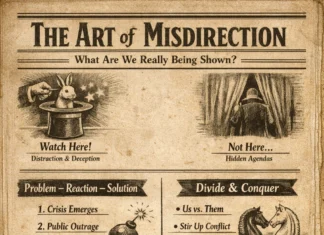
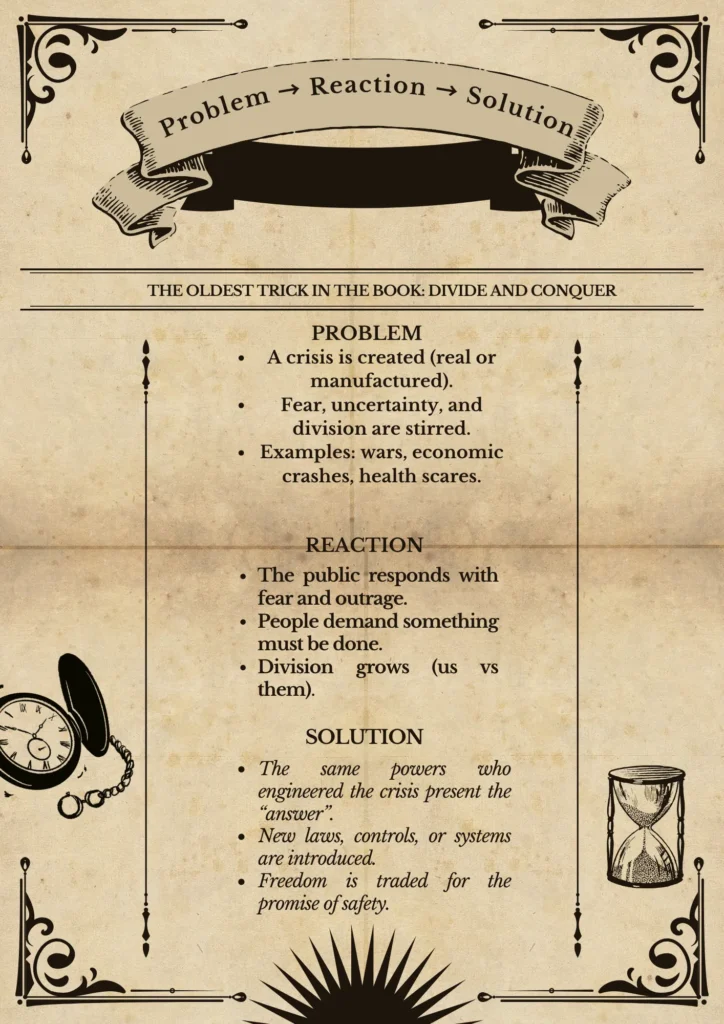
The phrase problem reaction Solution might sound like common sense, but in politics and control it takes on a darker meaning. It links directly to the Hegelian Dialectic: thesis, antithesis, synthesis. In plain English:
-
Create a problem.
-
Provoke a reaction.
-
Deliver the solution that was the plan all along.
It’s a cycle so simple you’d think people would spot it. Yet history shows again and again that societies fall for the same trick.
The Three Stages of Problem Reaction Solution
-
Problem (Thesis): A crisis appears — war, financial collapse, or public health emergency. Sometimes it’s genuine, sometimes it’s magnified.
-
Reaction (Antithesis): The public responds in fear or outrage. Media stokes division, ensuring the population begs for answers.
-
Solution (Synthesis): The “fix” arrives. More often than not, it centralises power, reduces freedom, and enriches those at the top.
It’s not about solving problems. It’s about shaping consent.
Real-World Examples of Problem Solution Reaction
-
1933 Reichstag Fire: A blaze in Germany’s parliament led to sweeping emergency powers. History shows how convenient that fire was.
-
2001 Terror Attacks: Fear gripped the world. The solution? Mass surveillance, wars abroad, and freedoms curbed at home.
-
2008 Financial Crash: The “too big to fail” banks were bailed out. The public got austerity. The elites grew richer.
In every case, the Problem Reaction Solution cycle delivered outcomes that would have been rejected without the crisis.
Why This Still Works
Problem Reaction Solution persists because it hacks human psychology. Fear drives compliance. Divide and conquer ensures people argue amongst themselves rather than question the system. And the media, knowingly or not, plays conductor — turning panic into pressure for fast “solutions”.
Once you spot the pattern, it becomes hard not to see it everywhere.
Divide and Conquer in Today’s World
Modern life offers no shortage of examples. Climate change headlines, digital security warnings, and health emergencies dominate the news. The pattern is familiar: highlight a crisis, generate fear, then present a fix that usually means more control. Digital ID systems, smart cities, and cashless economies don’t appear overnight. They are eased in through the dialectic, Problem Reaction Solution.
The trick is simple: people rarely accept radical change — unless they are terrified first. Who Really Controls the World? The Vatican, WEF Hidden Hands
Spotting the Cycle
Signs the cycle is in play:
-
Media saturation of a single issue.
-
Solutions appearing too quickly, as if pre-planned.
-
Outcomes that centralise power and reduce liberty.
-
Mocking or silencing of anyone who questions the narrative.
When these elements line up, you’re probably looking at the dialectic in motion.
Breaking Free from the Pattern
Awareness is power. Once you see how Problem Reaction Solution works, it’s easier to step back. You don’t have to play along, you don’t have to react on cue, and you can start asking: who really benefits from this solution?
Final Thoughts
Problem Reaction Solution is the oldest trick in the political playbook. It has reshaped nations, justified wars, and rewritten freedoms. Today, it’s dressed in modern clothes — digital IDs, global treaties, and endless “emergencies.”
Recognising the cycle doesn’t make problems vanish. But it does stop you from blindly accepting the solutions. And that, perhaps, is the first real step towards freedom.
While the problem–reaction–solution model explains the structure, it becomes even clearer when paired with The Art of Misdirection – What Are We Really Being Shown?, which explores how attention is subtly steered in specific directions. When combined, these perspectives reveal how distraction and division can shape what people focus on—and what they miss.