.svg)

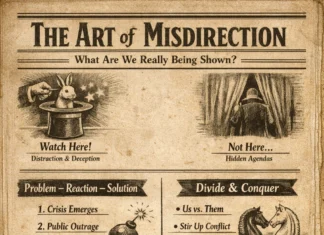
The 2020 Obedience Experiment Divide and Conquer
The 2020 Obedience Experiment still raises eyebrows today because it revealed more about human behaviour than public health. People believed they were following science, yet the driving force was fear. The real story centres on how outdated modelling shaped a national response that divided families, silenced questions, and encouraged blind trust. Although presented as fact, the information came from a small circle of experts using old predictions from earlier failures. Still, the public trusted every word because the pressure to comply never slowed. BritCard Digital Identity: The Quiet Shift to Total Control
The 2020 Obedience Experiment and the Rise of Fear Modelling
The 2020 Obedience Experiment began when Neil Ferguson and the Imperial College of London stepped forward with dramatic predictions. Their models came from the same algorithms used during the Foot and Mouth crisis, which ended in a catastrophic response. Yet these outdated tools were repackaged as cutting-edge science. The forecasts sounded precise, but they pushed worst-case outcomes as inevitabilities. Because fear spreads faster than truth, the public reacted instantly. People isolated, avoided each other, and followed every order because the alternative looked terrifying.
Still, the modelling gained authority because officials repeated it daily. The claims were not questioned in mainstream spaces, so the public believed everything. Through repetition, the narrative turned from advice into instruction. People complied because the message left no room for doubt. Every chart and headline reinforced the same story. Because fear shaped every update, society lost the ability to think independently. The 2020 Obedience Experiment succeeded because panic made logic unfashionable.
How The 2020 Obedience Experiment Divided Society
At the height of The 2020 Obedience Experiment, social pressure became more powerful than science. Families turned against each other, friendships collapsed, and people viewed one another as potential threats. Simple questions became social risks. Although many felt uneasy, they stayed silent because disagreement looked dangerous. Compliance became a badge of honour, while doubt became a sign of rebellion. Because of this, unity vanished quickly.
The constant messaging created an environment where obedience felt like safety. People policed each other more than officials did. The experiment thrived because fear created division. Every new rule strengthened the pressure to conform. Those who questioned the logic were labelled irresponsible. Those who asked for clearer evidence were treated like outsiders. Although it looked like unity on the surface, society fractured at its core.
Why The Experiment Relied on Social Bullying
The 2020 Obedience Experiment gained power through social enforcement. People repeated slogans daily because the message followed them everywhere. The public internalised the idea that compliance made them virtuous. Anyone who hesitated became a problem. Although many sensed inconsistencies, the pressure never lowered. People feared judgement more than the illness itself. Because of this, silence replaced open debate.
The cultural shift happened fast. People defended rules that changed weekly. They pushed ideas that lacked evidence because the message sounded authoritative. Social bullying filled the gaps that data could not. The result created an obedient culture shaped more by fear than understanding. Still, people believed they were supporting a collective good.
The Push for a Single Solution
The final phase of The 2020 Obedience Experiment arrived with the promise of one solution. The jab became a daily headline because the message repeated across every platform. People saw constant reminders, emotional campaigns, and urgent appeals. Although concerns surfaced quickly, they were dismissed. Still, reports of side effects grew. Many wondered why alternative approaches disappeared from the conversation. Yet the pressure continued because the narrative demanded full commitment.
Although people believed they were choosing freely, the environment pushed them in one direction. The experiment exposed how messaging could overpower uncertainty. The public accepted one option because other paths vanished. This moment revealed the true purpose of the 2020 strategy. It was not about offering choice. It was about steering behaviour. Are We Being Watched – How Surveillance Took Over Our Lives
CONCLUSION
The 2020 Obedience Experiment did more than shape a national response. It revealed how fear, repetition, and social pressure can guide behaviour with surprising ease. The story shows how outdated modelling became unquestionable authority and how public compliance grew through emotional pressure rather than clear evidence. Although framed as a health response, the experiment became a lesson in human psychology. People complied because fear demanded obedience. People divided because doubt became unacceptable. And people trusted because the message dominated every part of daily life. The 2020 Obedience Experiment stands as a reminder that when fear leads, freedom follows behind.