


.svg)


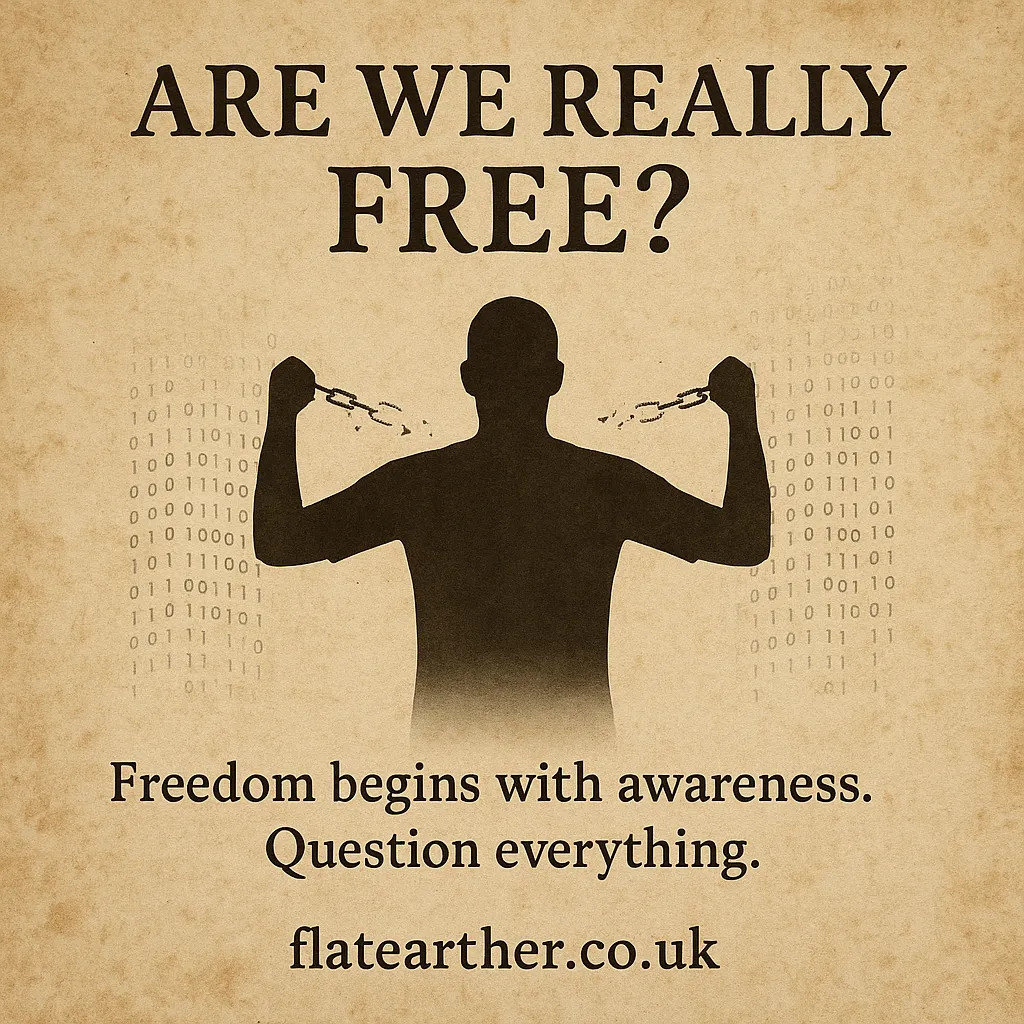
Are We Really Free – or Just Well Managed?
Freedom sounds noble, yet are we really free in practice? Politicians praise liberty, brands advertise empowerment, and media headlines celebrate choice. However, when every action is monitored and every opinion rated, something feels off.
We move, work, and speak openly, yet unseen algorithms record each step. Every click, tap, and purchase writes another line in a digital profile. Convenience replaces privacy while control hides behind “user experience.”
Many accept this trade without hesitation. Others sense the shift but can’t describe it. Beneath the comfort lies an organised pattern of observation. Ask yourself again — are we really free, or are we efficiently managed citizens inside a friction-free cage?
We have to ask ourselves are we really in charge of our own free will, Hidden Subliminal Messages – The Secret Language of Influence
Are We Really Free in the Digital Age?
Technology connected humanity, but it also captured attention. Notifications interrupt meals, adverts follow thoughts, and opinions form inside invisible walls. We feel informed, yet our views are curated.
The web promised openness; instead, it created echo chambers. We type, they track. We post, they profit. Algorithms feed outrage because outrage sells. Gradually, curiosity fades beneath a flood of entertainment.
Each device promises liberation while quietly measuring behaviour. Freedom used to mean movement; now it means data allowance. So again, are we really free when our choices are predicted before we make them?
Are We Really Free from the Past?
Britain’s working-class history is romanticised, yet the truth remains harsh. The Industrial Revolution lifted few and crushed many. Immigrants, craftsmen, and factory hands powered progress but owned nothing they produced.
Today, the same dynamic hides beneath modern language. The office replaced the mill; spreadsheets replaced soot. Debt chains the new worker as firmly as iron once did. Salaries sustain survival, not sovereignty.
Progress feels different but functions the same. The powerful remain comfortable; the rest keep striving. History repeats in subtler tones, and we continue asking — are we really free, or are we living another polished chapter of servitude?
Are We Really Free, or Just Comfortable Slaves?
Comfort silences rebellion. When people are entertained, they rarely question authority. Full fridges, fast Wi-Fi, and endless streaming create a pleasant paralysis. Ease becomes the new obedience.
We call ourselves fortunate, yet fortune distracts us from dependency. We trade time for things that never satisfy and call it success. Real freedom requires discomfort — the willingness to think differently.
The system doesn’t demand loyalty; it purchases it with convenience. So are we really free when comfort dictates courage and pleasure replaces purpose?
The Freedom Illusion
Modern liberty exists mostly in slogans. “Freedom of choice” means picking between identical products. “Freedom of speech” ends where algorithms intervene. The walls of control are invisible because they are internalised.
Crises reveal the boundaries clearly. Lockdowns, censorship, and digital dependency showed how swiftly liberty shrinks. Each emergency redraws limits that never fully return to normal.
True freedom lives in awareness, not permission. Until consciousness outweighs comfort, are we really free remains an unanswered question hanging over every modern society.
A Quiet Revolution of Mind
Change begins quietly. It starts when an individual pauses, questions, and notices patterns others ignore. Awareness breaks control faster than rebellion.
Think for yourself even when opinion feels dangerous. Seek truth beyond headlines and algorithms. Choose presence over distraction. Every conscious act chips away at the illusion.
Freedom does not arrive through governments or gadgets; it grows through understanding. The moment you truly ask are we really free, you ignite that inner revolution.
Final Thought
Every empire calls itself civilised while controlling its citizens carefully. Ours uses screens instead of swords. The result feels peaceful, but the purpose hasn’t changed.
Yet awareness gives hope. The more people recognise subtle control, the weaker it becomes. Questioning restores strength faster than protest.
Freedom is not granted; it’s claimed through consciousness. Once you see the system for what it is, the illusion fades. Keep asking — Are we really free? — because the day we stop asking is the day we stop being.


